SPT
In the context of the profound political transformations Sudan has undergone since 2019, the role of regional actors emerges as a decisive factor in explaining the trajectories of transition and collapse. This text offers an analytical reading that focuses on what it considers Egypt’s structural role in shaping developments, from undermining the civilian transition to contributing to the outbreak of war and prolonging its duration.
Available and undisclosed evidence suggests that the Egyptian regime has played a decisive structural role in undermining Sudan’s civilian democratic transition, in the 25 October 2021 coup, and in igniting the 15 April 2023 war and extending its course.
Just days after the success of the popular uprising that toppled the head of Sudan’s Islamist regime in April 2019, intelligence chief Salah Gosh fled to Cairo in an operation that could not have taken place without the direct involvement of Egyptian authorities. Since then, Egypt has become a safe haven for Sudanese Islamist leaders, as well as a logistical hub for their psychological, media, and conspiratorial operations aimed at undermining Sudan’s civilian transition.
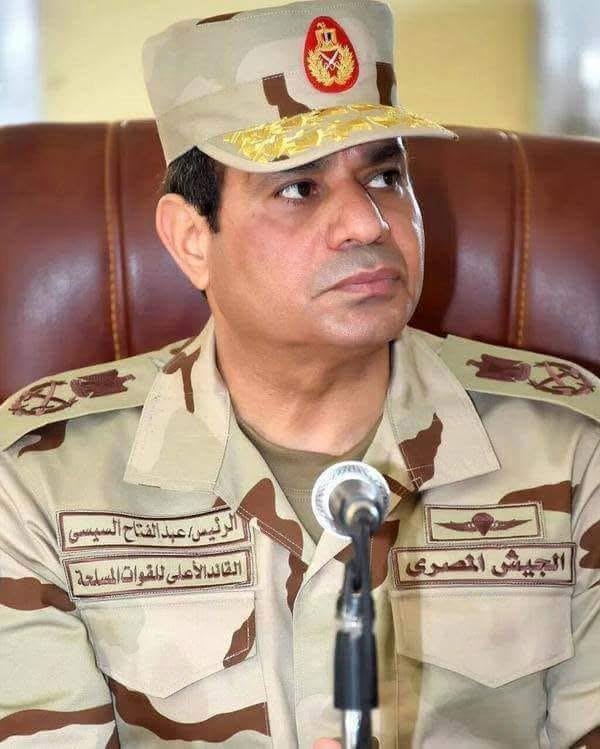
In parallel, the Egyptian regime sought to consolidate the dominance of the military component, led by General Abdel Fattah al-Burhan, over civilian forces. This aligns with Egypt’s longstanding policy of favoring military rule in Sudan, based on the premise that the army, by virtue of its formation, training, and commercial ties, constitutes the primary instrument for safeguarding Egyptian interests in Sudan. It was notable that in his first foreign visit, al-Burhan traveled to Egypt and offered a military salute to its president, Abdel Fattah el-Sisi.
Egypt’s policy is driven by a desire to subordinate Sudan in ways that hinder its agricultural and industrial development, thereby limiting its use of its share of Nile waters, while turning it into a source of raw materials, a market for Egyptian industrial goods, and a tool in Egyptian policy to exert pressure on Nile Basin countries, particularly Ethiopia.
On this basis, the Egyptian regime, since the military’s takeover of power in Egypt, has been behind military coups in Sudan, either through direct involvement in orchestrating them or by creating the conditions conducive to their occurrence.
A Sudanese analyst commented, when World Bank meetings were held in Sudan during the transitional period, and David Malpass, President of the World Bank Group, delivered his annual address from Khartoum on 30 September 2021, that this signaled the imminence of an Egyptian-backed coup in Sudan, stressing that the Egyptian regime could not tolerate Sudan’s developmental takeoff. This indeed came to pass some three weeks later, when the military establishment overthrew the civilian transitional government led by Abdalla Hamdok on 25 October 2021.
Evidence suggests that the plan to undermine the civilian transition employed the same playbook used by el-Sisi in his rise to power.
Media outlets and social media operations hostile to the civilian transition were established in Cairo.
A pattern of engineered security breakdown, driven by Sudanese security apparatuses in the capital, alongside tribal clashes in the regions, was initiated to elevate security concerns over democratic demands. Fuel and bread crises were also manufactured.
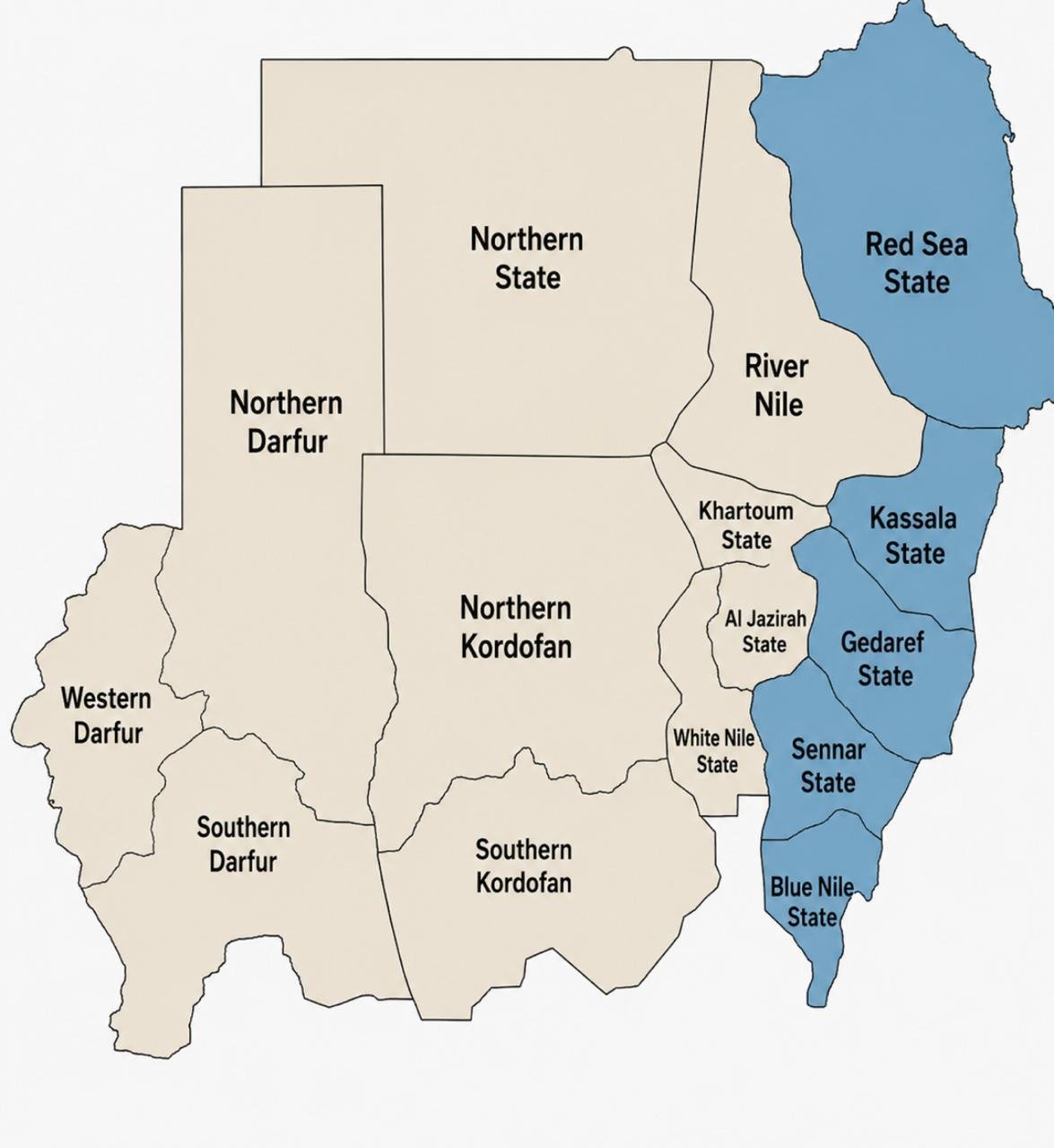
One of the former regime’s figures, Tahir Ayla, returned from Cairo to eastern Sudan aboard an Egyptian government aircraft to incite against the transitional government and mobilize opposition to it. These developments culminated in the closure of Port Sudan as a key preparatory step for the coup.
The so-called Democratic Bloc was formed with the overt presence of Egyptian intelligence official Ahmed Adly in Sudan, with the aim of fragmenting pro-transition political forces and co-opting part of them as a base for the coup.
The bloc organized what became known as the “Banana Sit-in.” It besieged the civilian government headquarters in coordination with military and security apparatuses and openly called for a coup. That coup materialized days later on 25 October 2021.
However, as protests against the coup intensified, despite the killing of more than 120 young demonstrators, alongside international solidarity with the Sudanese people and the withdrawal of the Rapid Support Forces leadership from the coup, negotiations began between civilian forces and the military component. These culminated in a framework agreement aimed at restoring the path of civilian democratic transition.
Yet the Egyptian regime exerted its weight, in coordination with Qatar and Sudanese Islamists, to overturn the framework agreement. A leading figure within the so-called Democratic Bloc publicly stated that Egypt would not allow any authority in Sudan that it did not approve of. In an official meeting between civilian forces and a visiting Egyptian intelligence delegation in Khartoum, Ahmed Adly reportedly declared that the framework agreement would pass “only over his dead body.”
Faced with the dilemma of the Rapid Support Forces’ withdrawal from the 25 October coup, General al-Burhan was encouraged by the Egyptian regime through the deployment of Egyptian air force units to the Merowe base and the promotion of the idea that the RSF could be eliminated within hours. This led to the reckless decision to ignite the war on 15 April 2023, plunging Sudan into devastation.
Since the outbreak of the war, the Egyptian regime has served as the primary logistical supply line for the Sudanese army. It has participated in military operations through experts and advisers and has even engaged in direct bombardment, including attacks on civilians, from the West Oweinat base.
Further evidence of the narrow Egyptian agenda hostile to Sudan’s development can be seen in the aerial targeting of the Bahri industrial zone without any military justification. This effectively destroyed Sudan’s already fragile industrial base.
Egypt has also acted as a diplomatic sponsor of the army authority based in Port Sudan. It has sought to lift its isolation within the African Union following the suspension of its membership after the coup and has worked to legitimize it internationally by repeatedly invoking the need to preserve “state institutions.” By this, it refers to the institutions of the coup, which control no more than a third of the country’s territory.
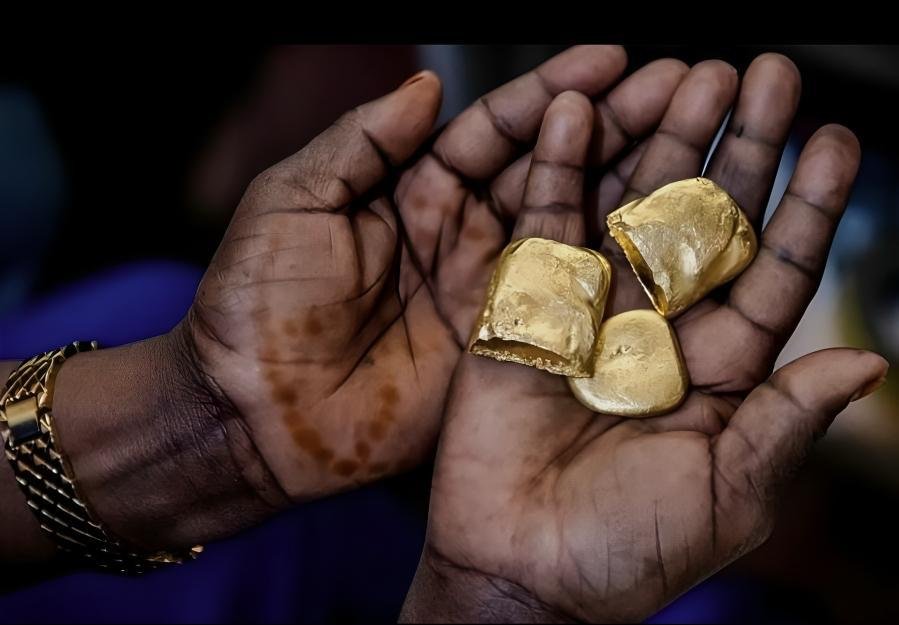
While the Egyptian regime claims to support the Quadrilateral Initiative for peace in Sudan, it has reportedly been privately urging army leadership to reject it, in pursuit of its narrow, short-sighted interests. As Sudanese blood continues to be shed, Nile waters, including Sudan’s share, flow to Egypt. Sudanese exports controlled by army-affiliated companies, livestock and agricultural products sold at the lowest prices, also continue to flow. In addition, Sudanese gold has significantly boosted the reserves of Egypt’s central bank during the war years. This leaves little doubt that the Egyptian regime is profiting from the suffering of the Sudanese people. This profiteering has even reached inhumane levels, with entry visas reportedly being sold, even to patients, for thousands of dollars.
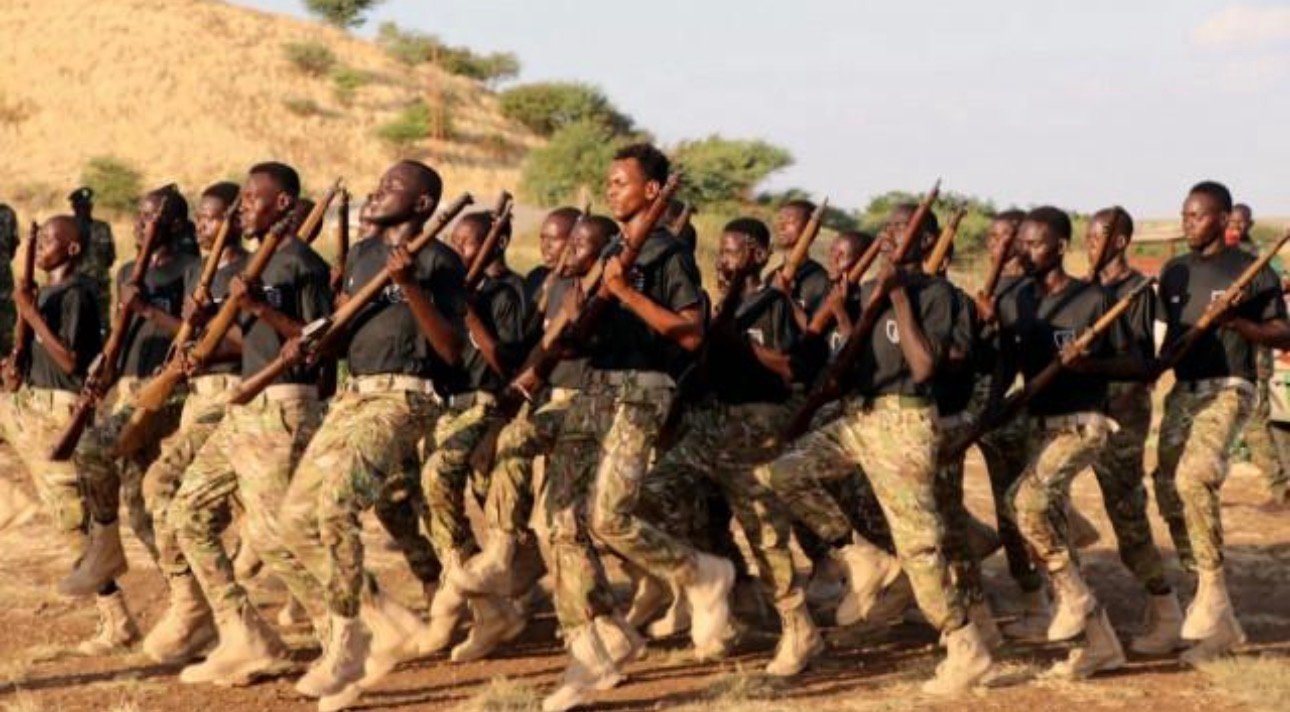
While Sudan’s war may serve the interests of the Egyptian regime, it poses a threat to international peace and security. It has fueled the rise and strengthening of Islamist militias such as al-Baraa bin Malik and al-Barq al-Khatif, allied with Iran’s ruling establishment. This could pose a serious future threat to Red Sea security. It has also contributed to the fragmentation of central authority, the expansion of drug and arms trafficking, organized crime networks, irregular migration, and other destabilizing phenomena.
Peace in Sudan cannot be achieved without curbing the negative interventions of the Egyptian regime.
Civilian forces look to actors seeking peace in Sudan, such as the United States and the European Union, to impose specific conditions on Egypt. These include ending its hosting of Sudanese Islamist groups and their media and operational networks, halting arms and ammunition supplies to the Sudanese army, ceasing bombardment from the West Oweinat base, and abandoning its duplicity of publicly calling for peace while fueling the war. Should the Egyptian regime fail to comply, appropriate sanctions must be imposed.