Report: SPT
Introduction
As the war in Sudan escalates, the expanding use of unmanned aerial vehicles (UAVs) has emerged as one of the most dangerous dimensions of the conflict, given its direct impact on civilians and critical infrastructure. The introduction of advanced combat technologies into an already fragile internal conflict has significantly widened the scope of aerial targeting beyond active battlefields, amid an effective absence of accountability and oversight.
This report traces the trajectory of Turkey’s Bayraktar drones, from the origins of the manufacturing company and the evolution of its combat models to their deployment in Sudan’s war. It documents patterns of use and their humanitarian consequences. Based on the available information and published field reports obtained up to the time of drafting this report, the analysis draws on international and human rights data to highlight the scale of the human cost associated with deploying such weapons in a protracted internal conflict.
Company Background and Drone Development
According to its official website, Baykar, the Turkish manufacturer of Bayraktar drones, was founded in 1986 and initially operated in the automotive sector before transitioning into aviation with the support of a new generation of engineers. The company expanded this shift by specializing in advanced sensing and remote-control systems. Haluk Bayraktar serves as the company’s Chief Executive Officer, while his brother Selçuk Bayraktar is Chairman of the Board.
The first Bayraktar prototype (Bayraktar A) was developed in 2005 as proof of autonomous flight capability, followed by the Bayraktar B in 2007, which entered active service with the Turkish military in December of the same year.
In 2016, the Turkish army deployed Bayraktar drones against the Kurdistan Workers’ Party (PKK), recording the first confirmed targeted killing in April of that year. In 2019, the drones were used by Libya’s Government of National Accord during the Tripoli battles against Khalifa Haftar’s forces. Azerbaijan also deployed Bayraktar drones in 2020 during the Nagorno-Karabakh conflict against Armenian forces.
In March 2021, Baykar announced the Bayraktar Mini D, a lightweight reconnaissance drone designed for small military units, featuring a doubled communication range of up to 30 kilometers and a flight ceiling three times higher than the Bayraktar B, equipped with a high-resolution camera.
Ukrainian forces later used Bayraktar drones in 2022 against Russian troops and naval vessels, including long-range strategic strikes, before their introduction into Sudan’s conflict by the Sudanese Armed Forces in November 2024.
Bayraktar Drones and the War in Sudan
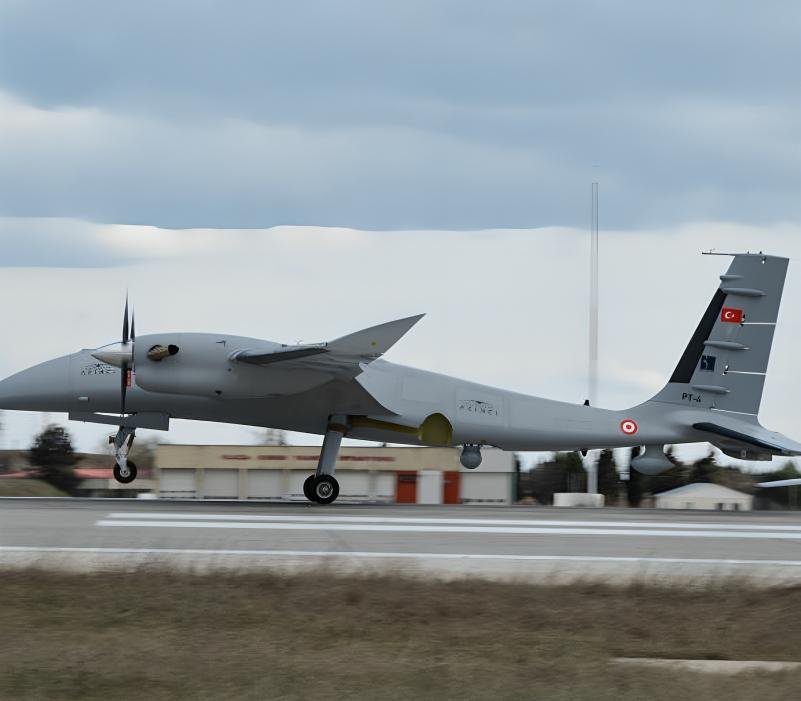
Baykar successfully developed the Bayraktar platform from reconnaissance models into the armed Bayraktar TB2, capable of carrying laser-guided munitions and remaining airborne for more than 24 hours, before later evolving into the more lethal Bayraktar Akinci.
In November 2024, the Sudanese army received a batch of drones that included TB2 units and quickly deployed them to target Rapid Support Forces artillery positions in Khartoum, as well as during the well-known Bika Bridge battles in Gezira State.
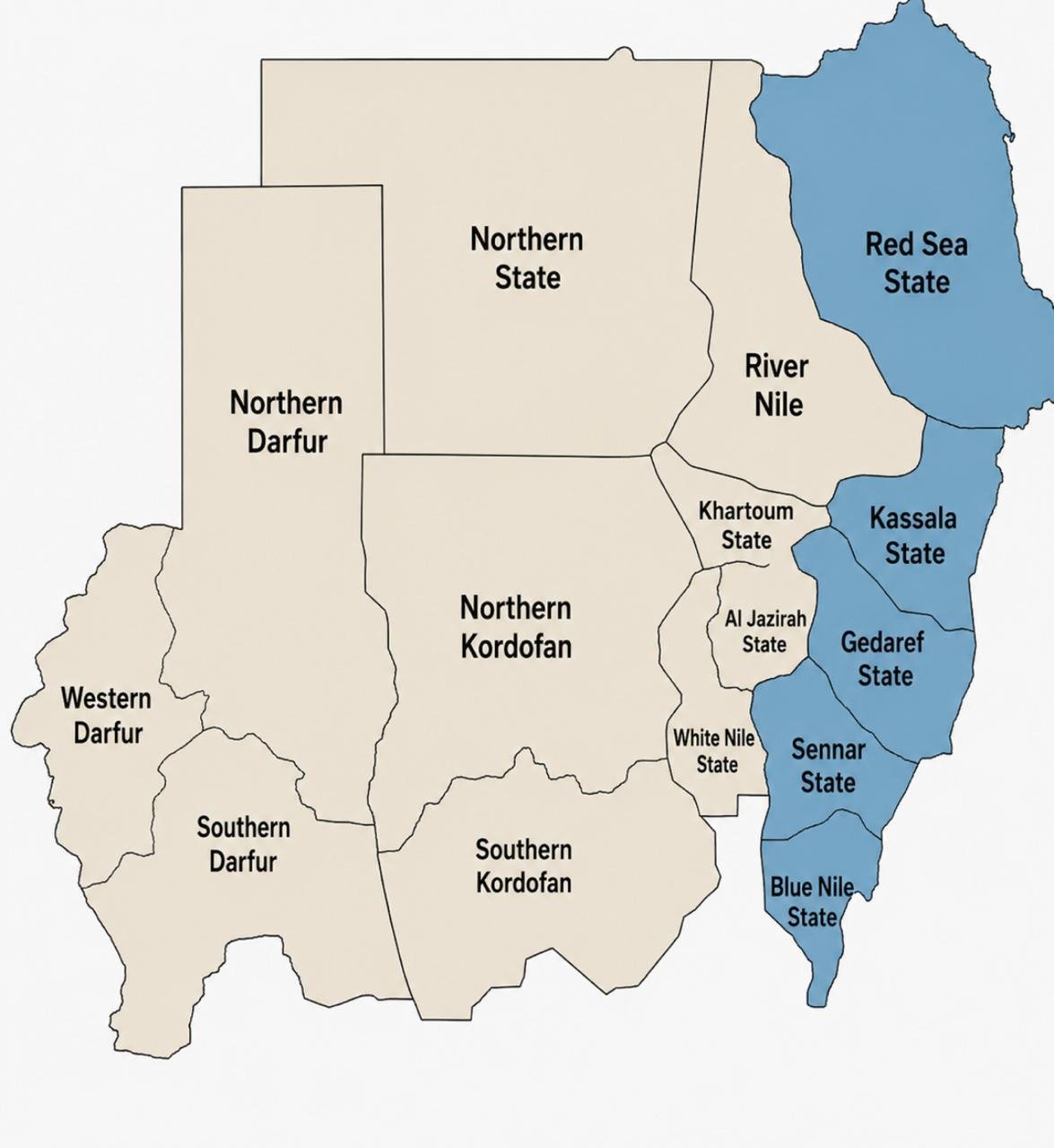
On 10 December 2024, Sudanese forces used Bayraktar drones to strike a weekly market in the town of Kabkabiya, North Darfur, killing more than 100 civilians in an initial toll and injuring hundreds.
Estimates by international organizations such as the Armed Conflict Location & Event Data Project (ACLED) indicate that air and drone attacks during the last quarter of 2024 contributed to pushing the civilian death toll in Sudan beyond 7,500 fatalities due to direct targeting.
The Africa Center for Strategic Studies documented more than 260 drone strikes in Sudan during 2024 alone, out of 484 recorded across the African continent approximately 55 percent of the total.
A Eurasia Review report published in September of the same year noted that the use of Turkish drones in Sudan coincided with a sharp increase in civilian mortality rates. In 2024, 4,478 civilian deaths were recorded, 51 percent of which resulted from aerial weapons, temporally aligning with the introduction of Bayraktar systems.
A Record of Violations
International reports published in March 2025 revealed details of a covert deal through which the Sudanese army acquired advanced Turkish drones. Under the agreement, Baykar supplied the Sudanese military with drones in a deal valued at approximately USD 120 million.
The deal reportedly included between six and eight Bayraktar TB2 drones, along with 600 warheads and three ground control stations. The weapons and drones were transported via intermediaries and cargo aircraft to Port Sudan in multiple shipments, the most recent arriving in September 2024.
The Bayraktar Akinci quickly gained notoriety in Sudan due to the rising number of civilian casualties linked to its use. On 30 September 2025, an Akinci drone struck a local market in the Balbal Timbekso area of Dar al-Salam locality, South Darfur, killing 82 civilians, many of them women and children, and injuring dozens more.
On 11 October 2025, Akinci drones bombed buildings at the Dar Al-Arqam Center affiliated with Omdurman Islamic University in El Fasher, which had been converted into a shelter for displaced persons. The attack killed 57 civilians, including 17 children and 22 women, and injured more than 100 others.
On 4 December 2025, at least 114 people were killed in the town of Kologgi, South Kordofan, including 63 children, after three consecutive Akinci drone strikes hit a kindergarten, the Kologgi Rural Hospital, and later targeted first responders who had gathered at the scene.
In mid-November 2025, the Sudanese Armed Forces carried out an Akinci drone strike on the Heglig oil field in West Kordofan, killing the site’s chief engineer and two workers. A subsequent strike on 9 December killed dozens more, including seven traditional community leaders.
According to data from the Office of the United Nations High Commissioner for Human Rights, at least 1,700 civilians were killed in Sudan during 2025 as a result of airstrikes and indiscriminate drone attacks, including approximately 104 civilians in the Kordofan region during December alone.
Conclusion
The findings presented in this report demonstrate that the deployment of Turkish drones in Sudan, particularly Bayraktar models, has significantly escalated violence against civilians and produced a recurring pattern of wide-impact and disproportionate aerial strikes. The scale and nature of these attacks indicate a serious failure to comply with the principles of distinction and proportionality under international humanitarian law.
The continued use and supply of these drones without effective restrictions raise legal and ethical responsibilities not only for local actors but also for exporting states and manufacturing companies, foremost among them Turkey. The absence of accountability not only perpetuates civilian suffering but also entrenches impunity and undermines any realistic prospects for civilian protection or progress toward a peaceful resolution. Addressing this issue through independent investigations, accountability mechanisms, and restrictions on drone transfers is therefore an urgent and unavoidable necessity.